
EPISODE 3 (2026): THE COMPOSITION OF THE INQUIRY TEAMS.
One of the critical issues that deserves examination when revisiting the two inquiries into the death of Evison Matafale is the composition of the respective investigative teams. The credibility and perceived independence of an inquiry are not determined solely by its mandate or the authority that establishes it. The composition of the investigative team, the professional backgrounds of its members, their potential interests and the extent to which affected communities are represented are equally important considerations.
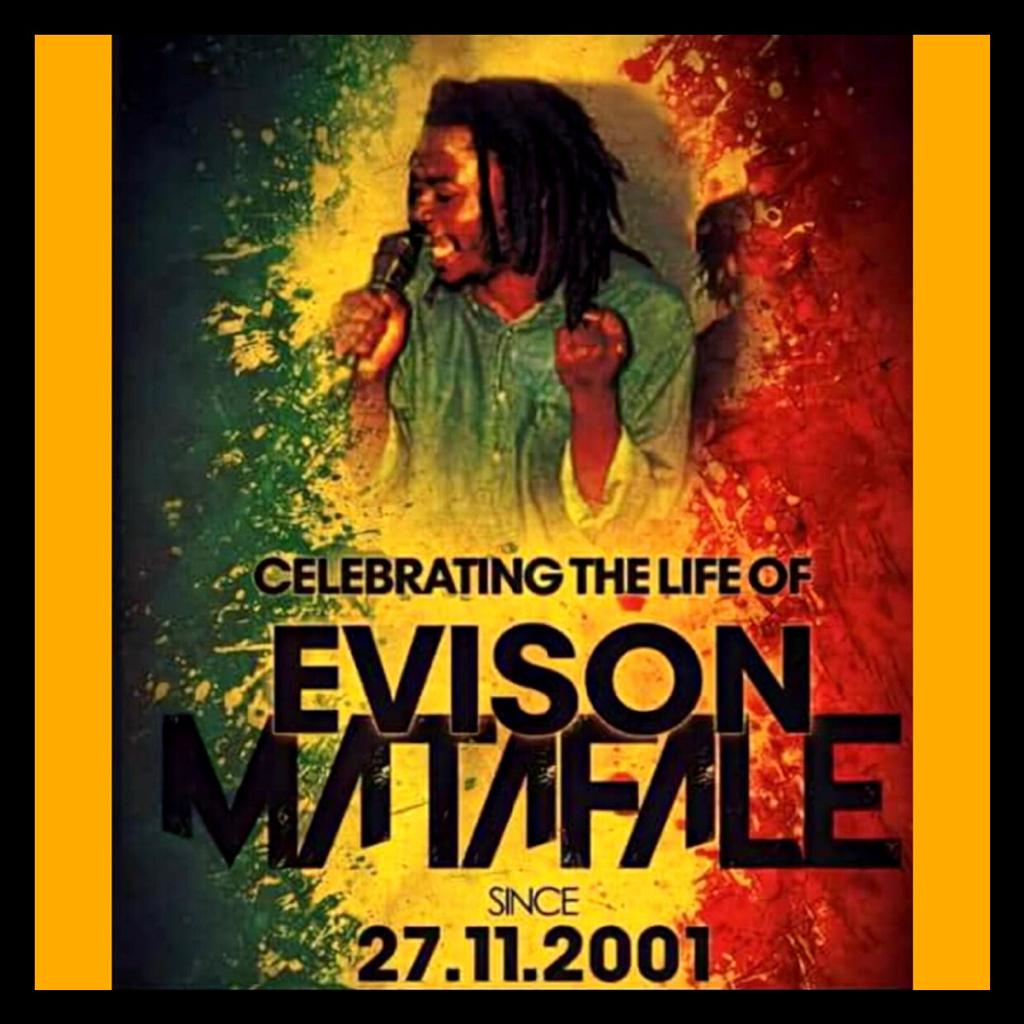
- The Presidential Commission of Inquiry
The Presidential Commission of Inquiry into the death of Evison Matafale comprised the following members:
a. Justice Leonard Unyolo – Chairperson
b. Mr Lucius Banda – Musician
c. Counsel Kalekeni Kaphale
d. Dr Randy Gombwa – Medical Doctor
e. Father George Buleya – Clergyman
f. Ms Gwen Sauti Phiri – Music Promoter
Although the Rastafari community and the general public at large welcomed President Dr Bakili Muluzi’s decision to establish a commission of inquiry, strong reservations were raised about the composition of the commission, particularly the appointment of musician Lucius Banda.
The objections were not without context. At the time, Evison Matafale and Lucius Banda were reportedly at loggerheads, with the two musicians having had disagreements before Matafale’s death. This raised questions about the appropriateness of appointing someone perceived to have had a strained relationship with the deceased to serve on a commission investigating the circumstances surrounding his death.
Furthermore, Lucius Banda was perceived by the general public as being politically close to the government of President Bakili Muluzi, particularly because of the pro-government and pro-presidential songs he had released. Consequently, it was viewed by some that his appointment would potentially compromise the perceived independence and impartiality of the commission.
Another significant concern raised by the Rastafari community and some members of the general public was the absence of direct representation of Rastafarians on the commission. Given that Evison Matafale was a prominent member of the Rastafari community, it was felt that the exclusion of the Rastafari community from this investigative process was a serious omission.
- The Human Rights Committee of Inquiry
The Human Rights Committee of Inquiry into the Death of Evison Matafale, established by the Malawi Human Rights Commission (MHRC), comprised the following members:
a. Mr Charles B. Malunga – Chairperson (Malawi Human Rights Commission)
b. Mr Sylvester Kalembera – Prisons Inspectorate
c. Mr Tobias Nowa – Prisons Inspectorate
d. Mr Stephen Kafumba – Office of the Ombudsman
e. Mr Grant Kankhulungo – Malawi Human Rights Commission
Initially, Counsel Jarvis Matiya, who was then Head of Legal Services at MHRC, was also a member of the Committee of Inquiry. However, before the committee commenced its work, he resigned from the MHRC to take up a new position at the Commonwealth.
Following his departure, Counsel Redson Kapindu (now a Judge of the High Court of Malawi) took over as Head of Legal Services at MHRC. It was therefore anticipated by some that he would assume the position previously occupied by Counsel Matiya on the Committee of Inquiry, given his succession to the position of Head of Legal Services.
However, Counsel Redson Kapindu did not participate in the Committee of Inquiry. This development raised eyebrows among some observers and generated speculation that he had deliberately been excluded from the investigative process.
- The two inquiries operated concurrently
Both inquiries commenced their work in December 2001 and operated concurrently, ultimately presenting their respective reports to the President of the Republic of Malawi, Dr Bakili Muluzi, in March 2002.
In the subsequent episodes of this series, LHF will examine the investigative procedures adopted by the two inquiries, the evidence they relied upon, how they interpreted that evidence, and some of the unresolved questions that emerge from a critical reading of the reports.
Twenty-five years later, the objective is not to manufacture conclusions but to revisit the historical record, interrogate the evidence and contribute to an informed public understanding of what really happened to Evison Matafale.