
EPISODE 4 (2026): AUTOPSY REPORT IDENTIFIED HEAD INJURIES AND BLEEDING AS THE CAUSE OF DEATH.
The autopsy on Evison Matafale was conducted by pathologist Dr Charles Dzamalala on Wednesday, 28 November 2001, at the Anatomy Mortuary, College of Medicine, in Blantyre.
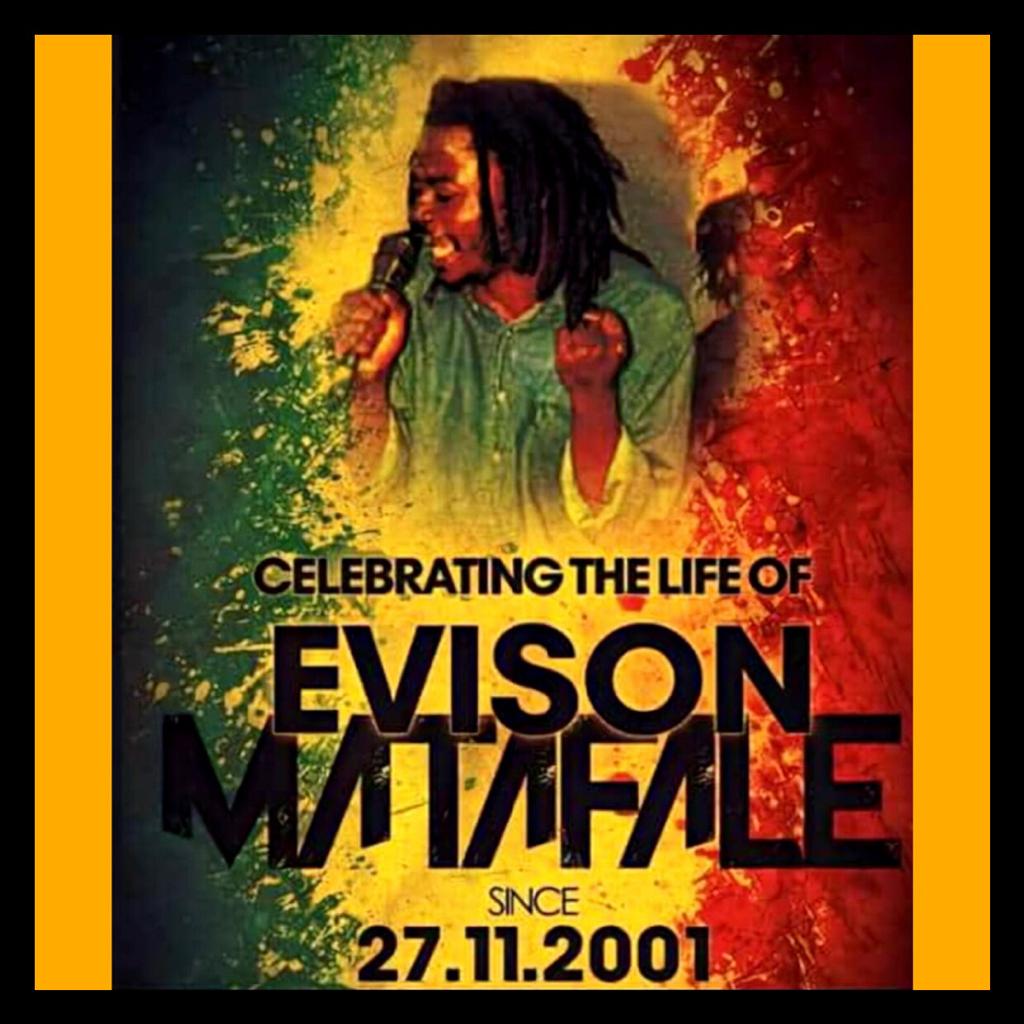
During the examination of Evison Matafale’s head, Dr Charles Dzamalala made the following observation:
“Dark red blood within the sub-dural space and stains of blood over the pia mater and particularly on both sides (both temporal areas) of the skull, indicative of a traumatic bleeding into the sub-dural space.”
Based on these findings, the pathologist arrived at the following conclusions:
- Cause of death: Evison Matafale died from a subdural haemorrhage (bleeding within the skull), affecting both sides of the head (left and right).
- Nature of the injuries: The injuries to his head were consistent with moderate blunt force trauma. However, no obvious skull fracture was observed, nor was there an identifiable point of impact on the scalp.
The pathologist further noted that, at the time of his death, Evison Matafale was also suffering from pulmonary tuberculosis and chronic meningitis, both described as moderate conditions.
However, the findings of the autopsy report were subsequently challenged by the Presidential Commission of Inquiry, which strongly criticised Dr Charles Dzamalala’s findings and made scathing remarks about his conclusions. Ultimately, the Commission arrived at a different determination of the cause of Evison Matafale’s death.
- Why did the Presidential Commission of Inquiry reject the findings of the autopsy report?
- What evidence did it rely upon to challenge the pathologist’s conclusions?
- And what methodology did it employ to arrive at a different explanation of the cause of death?
Find out in the next episode as LHF continues its critical examination of the inquiry reports on Evison Matafale’s death.